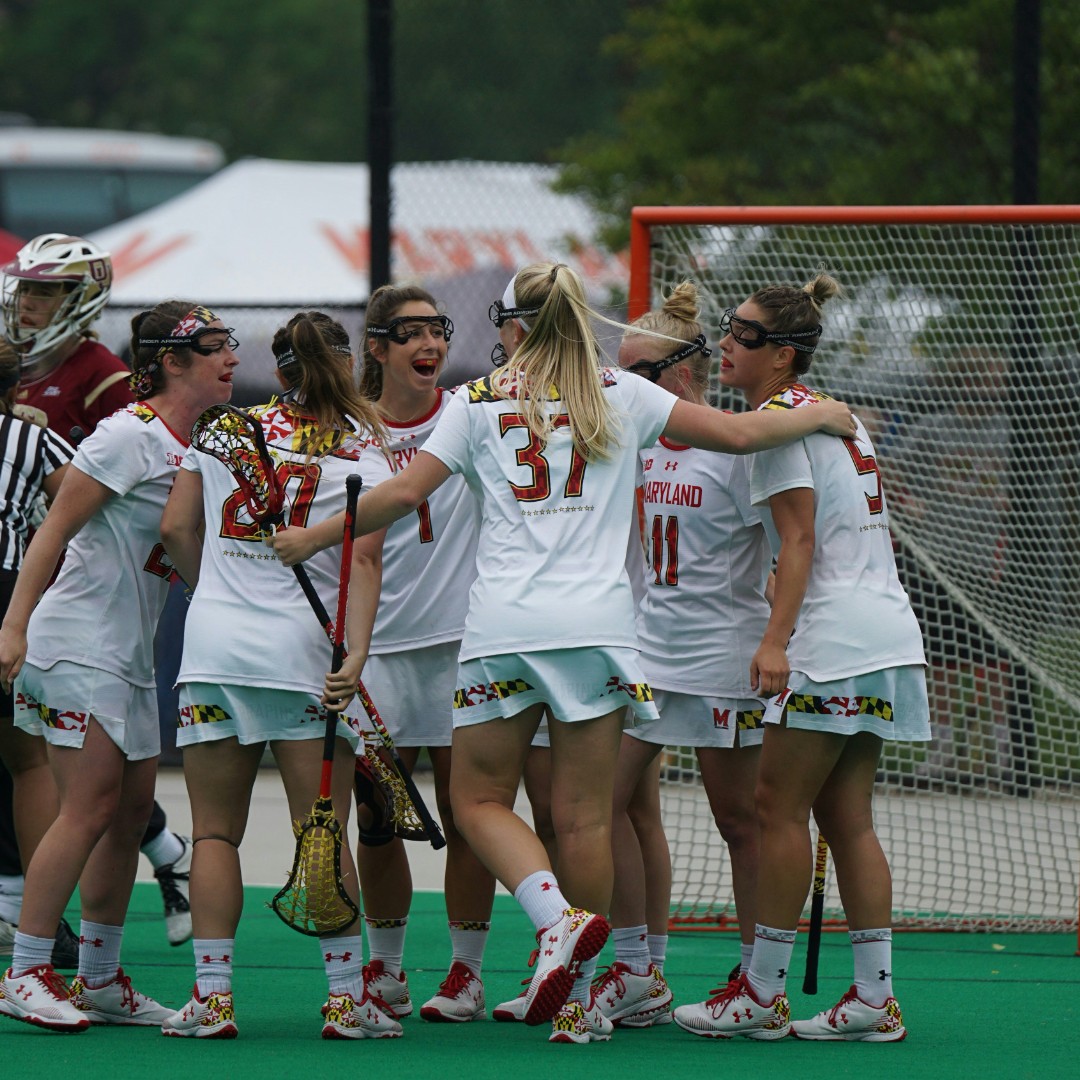
Lorem ipsum dolor sit amet, consectetur adipiscing elit ut liqua purus sit amet luctus venenatis, lectus magna.


Record-breaking crowds at soccer matches, multimillion-dollar broadcast deals for basketball, and a surge in youth participation all point to the same conclusion: women’s sports are on a hot streak.
The acceleration didn’t happen overnight. A mix of cultural, economic, and technological factors converged to create a perfect environment for growth. Let’s unpack the major drivers behind the boom.
Decades of advocacy laid the groundwork for today’s momentum. Landmark legislation such as Title IX in the United States mandated equal opportunities in school athletics, steadily increasing female participation at every level.
Early stars like Billie Jean King and Mia Hamm supplied proof that women’s competitions could draw audiences. Their success stories inspired younger generations to play, watch, and eventually invest in women’s sports.
For years, coverage of women’s games languished in off-peak time slots or behind paywalls. That changed as networks realized there was untapped demand and, importantly, solid ratings potential.
High-profile deals, such as the WNBA’s expanded broadcast schedule and global streaming packages for top women’s soccer leagues, delivered consistent visibility. When viewers can actually find games, fandom grows quickly.
Corporate partners have identified women’s sports as a fertile space for brand alignment and authentic storytelling. Sponsorship fees remain relatively affordable compared with equivalent men’s properties, offering high return on investment.
Brands also see strong engagement metrics: campaigns centered on female athletes often outperform general sports ads in both recall and sentiment, encouraging repeat investment.
Broad social movements advocating for equality have heightened awareness of disparities in pay, coverage, and facilities. Fans and athletes alike have leveraged social platforms to spotlight issues and demand change.
Leagues responded with improved salaries, maternity protections, and revenue-sharing structures. These advances resonate with modern audiences, who increasingly support organizations aligned with progressive values.
More girls are playing organized sports than ever before. Youth clubs, school programs, and nonprofit initiatives provide access that was previously scarce or cost-prohibitive.
A larger base of athletes raises the overall skill level of competition, making professional leagues faster, stronger, and more entertaining. That quality, in turn, draws more spectators, creating a self-reinforcing cycle.
Streaming services, from dedicated sports apps to mainstream platforms, allow leagues to bypass traditional gatekeepers. Minimal production costs mean even niche competitions can broadcast globally.
Athletes themselves act as media companies, sharing behind-the-scenes content that deepens fan connections. Direct-to-consumer merchandising and personalized sponsorships thrive under this model.
Sports science, specialized coaching, and improved facilities have elevated performance standards. Faster game speed and higher skill ceilings make contests more compelling to watch.
Data analytics also play a role, informing tactics and player development. The resulting product rivals men’s competitions in strategic complexity and overall entertainment value.
Attendance figures are surging. The 2023 Women’s World Cup broke venue records, and domestic leagues in basketball, soccer, and cricket posted double-digit growth in ticket sales.
Merchandise and media rights revenue tell a similar story. Apparel drops sell out within hours, and right-sholders report robust subscriber growth when women’s events are included in packages.
Despite the progress, wage gaps, uneven facilities, and limited coverage outside of marquee events persist. Ensuring sustainable investment requires consistent scheduling, fair revenue sharing, and expanded youth access.
Solving these issues will be crucial to maintaining the current growth trajectory and preventing stagnation once the novelty factor fades.
The rapid rise of women’s sports stems from a confluence of factors: historic policy wins, strategic media exposure, savvy corporate backing, and shifting cultural attitudes.
While challenges remain, the trajectory points unmistakably upward. Stakeholders who invest in women’s athletics today aren’t just backing a cause; they’re aligning with one of the most dynamic growth markets in sports.
Gametime Hero is the AI-powered operating system for active communities.
If you're organizing a community and tired of the chaos, start here
You know your community best — we know how to help it thrive.
You're already doing the hard part: building a community people care about. Gametime Hero gives you events, registration forms, a custom website, payments, scheduling, and communications — so you can stop juggling tools and start scaling.
Whether you run a weekly pickup group or a multi-season league, we'll walk you through exactly how it works for your setup.


Explore our collection of 200+ Premium Webflow Templates