Lorem ipsum dolor sit amet, consectetur adipiscing elit ut liqua purus sit amet luctus venenatis, lectus magna.

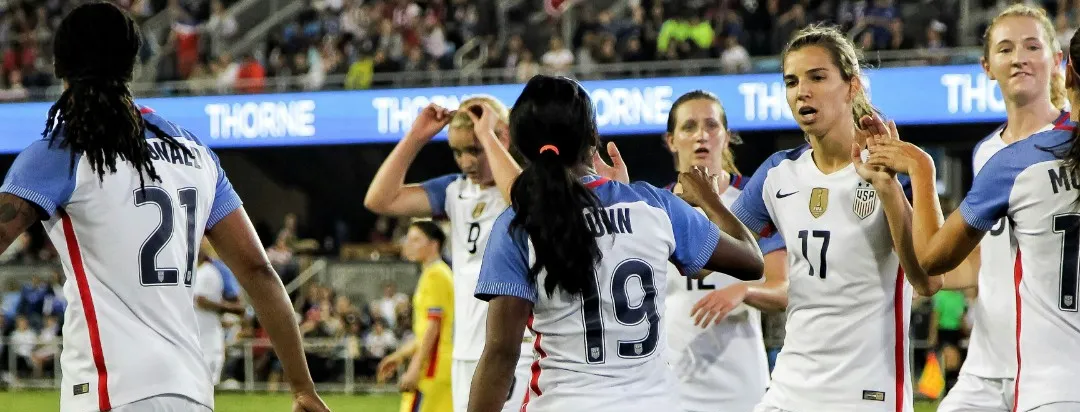
Audience records keep falling each year as fans tune in for women’s competitions across a growing range of sports. What once drew modest television numbers now rivals, and sometimes surpasses, traditional men’s events.
This article explores which women’s sports attract the largest audiences, why those numbers continue to climb, and what it means for athletes, broadcasters, and fans alike.
The past decade has seen a dramatic uptick in broadcast and streaming hours devoted to women’s athletics. More consistent scheduling, better production quality, and strategic marketing have all contributed to larger, more engaged audiences.
In many markets, marquee women’s events now command prime-time slots and sell out major arenas, signaling a shift from niche programming to mainstream entertainment.
Several competitions stand out for repeatedly posting blockbuster numbers on television and digital platforms.
While exact ratings vary by region, the same events surface year after year as the biggest draws.
Beyond global tournaments, several domestic leagues have carved out strong followings. The WNBA Finals, Women’s Super League soccer in England, and Australia’s AFLW continue to post year-over-year growth in both attendance and media consumption.
Expanded coverage on national networks and flexible streaming packages allow fans to follow entire seasons rather than just occasional highlight events.
Individual athletes often act as gateways for new fans. Names like Megan Rapinoe, Simone Biles, and Naomi Osaka spark interest that extends far beyond core followers of their sports.
Compelling narratives, underdog runs, record-setting performances, or social impact initiatives, keep viewers invested from one competition to the next.
Better accessibility plays a major role. Live streams, on-demand replays, and multilingual commentary feed global demand and remove geographical barriers.
Corporate sponsorships and media rights deals have also grown, allowing federations and leagues to enhance production values and promotional reach. These investments create a virtuous cycle in which higher quality coverage attracts larger audiences, which in turn justifies further investment.
With more broadcasters committing to equal airtime and advertisers recognizing the value of diverse fan bases, the ceiling for women’s sports viewership is still rising.
Emerging disciplines such as women’s rugby and mixed-gender esports events could join the upper echelon of audience leaders over the next several years.
Women’s sports have moved well past a tipping point; they are now appointment viewing for millions around the world. The combination of elite talent, compelling stories, and improved media access ensures continued growth in the years ahead.
For fans, that means more opportunities than ever to watch high-level competition, celebrate new heroes, and be part of a rapidly expanding global community.
Gametime Hero is the AI-powered operating system for active communities.
If you're organizing a community and tired of the chaos, start here
You know your community best — we know how to help it thrive.
You're already doing the hard part: building a community people care about. Gametime Hero gives you events, registration forms, a custom website, payments, scheduling, and communications — so you can stop juggling tools and start scaling.
Whether you run a weekly pickup group or a multi-season league, we'll walk you through exactly how it works for your setup.


Explore our collection of 200+ Premium Webflow Templates