Lorem ipsum dolor sit amet, consectetur adipiscing elit ut liqua purus sit amet luctus venenatis, lectus magna.

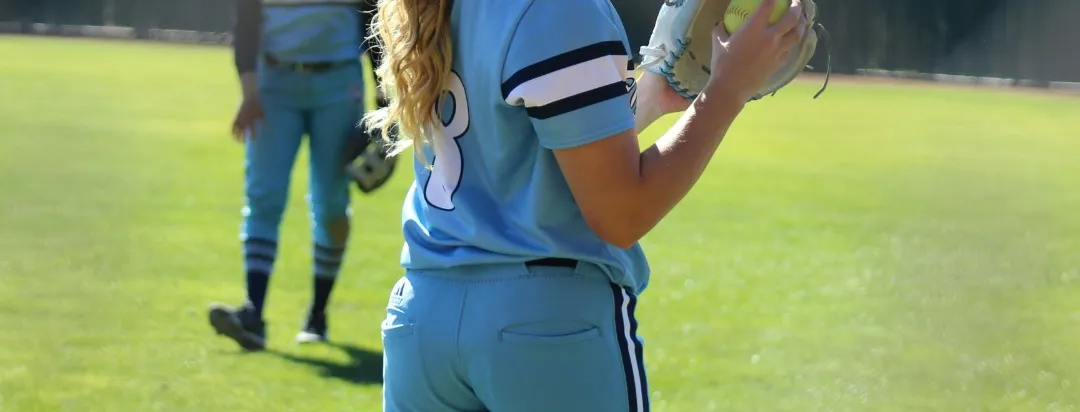
Fast-pitch softball packs baseball-style strategy into a smaller diamond and a faster tempo. Games can swing on a single pitch, which is delivered with a full windmill motion that routinely tops 60 mph from only 43 feet away.
Whether you are new to the sport or transitioning from slow-pitch, understanding the nuances of fast-pitch is essential. The following guide covers everything from field dimensions to training tips so you can appreciate, or play, the game with confidence.
Fast-pitch softball is a variant where pitchers use a windmill motion to generate high velocity, making reaction time a premium for hitters and fielders alike. Games are typically seven innings long and follow a rule book adapted from baseball with some sport-specific twists.
The format is the cornerstone of competitive female softball worldwide, but men also play fast-pitch at club and international levels. Its speed and skill requirements distinguish it from the more recreational slow-pitch version.
The most obvious difference is pitching style. In slow-pitch, the ball must arc above the batter’s head, giving hitters more time. Fast-pitch allows full windmill delivery and far higher speeds.
Field dynamics change as well. Fast-pitch uses smaller base paths, encourages stealing, and limits offensive players to smaller bats, all of which create a defense-forward tactical game.
A regulation fast-pitch field measures 60 feet between bases with a pitching rubber set at 43 feet for women’s play and 46 feet for most men’s leagues. Outfield fences range from 190 to 225 feet depending on age group and competition level.
Players rely on sport-specific gear built for speed and safety. Gloves are generally smaller than baseball gloves for quicker transfers, and aluminum or composite bats are capped at a 34-inch length with a maximum drop of minus 10.
Teams field nine players, and substitution rules mirror baseball, though re-entry is often allowed once for starters at amateur levels. The strike zone extends from the batter’s armpits to the top of the knees, giving pitchers a vertical window to exploit.
Aggressive baserunning is central. Runners may steal as soon as the ball leaves the pitcher’s hand, and slap hitting is legal, allowing left-handed batters to run while swinging for better odds of reaching first safely.
Fast-pitch arsenals include the riseball, drop, curve, screwball, and changeup, each delivered with deceptive arm angles and snap releases. Mastery of spin is critical because a 12-inch softball creates more drag than a baseball.
Pitchers must keep one foot in contact with the rubber until the stride foot lands. Crow-hopping or re-planting is illegal at most levels, and umpires are strict about leap violations that give pitchers extra momentum.
Youth organizations such as Little League, USA Softball, and travel clubs introduce players as early as age eight, gradually extending pitching distance and base paths as athletes mature.
High school and collegiate fast-pitch deliver national exposure, culminating in the NCAA Women’s College World Series each June. Beyond college, athletes compete in professional leagues and international events like the World Games and the Olympics.
Speed and reaction drills dominate practice plans. Hitters work on short, explosive swings while fielders focus on quick glove exchanges and low-trajectory throws to bases.
Offseason conditioning emphasizes leg power for pitching and sprint endurance for baserunning. Many players supplement team workouts with tee drills, bullpen sessions, and video analysis to fine-tune mechanics.
Fast-moving balls and compact fields increase injury risk, especially for pitchers and corner infielders. Face masks and padded protective gear are now standard in most youth and scholastic leagues.
Proper warm-ups, pitch count limits, and routine strength training help reduce common overuse injuries such as rotator cuff strain and lower-back stress.
Fast-pitch softball blends speed, finesse, and strategic depth, offering a distinct experience from its slow-pitch counterpart. Understanding its rules, field specs, and training demands provides a solid foundation for players and fans alike.
Whether you are stepping into the batter’s box or settling into the bleachers, the fast-paced action and technical skill on display make fast-pitch softball one of the most compelling sports to follow or play.
Gametime Hero is the AI-powered operating system for active communities.
If you're organizing a community and tired of the chaos, start here
You know your community best — we know how to help it thrive.
You're already doing the hard part: building a community people care about. Gametime Hero gives you events, registration forms, a custom website, payments, scheduling, and communications — so you can stop juggling tools and start scaling.
Whether you run a weekly pickup group or a multi-season league, we'll walk you through exactly how it works for your setup.


Explore our collection of 200+ Premium Webflow Templates