Lorem ipsum dolor sit amet, consectetur adipiscing elit ut liqua purus sit amet luctus venenatis, lectus magna.

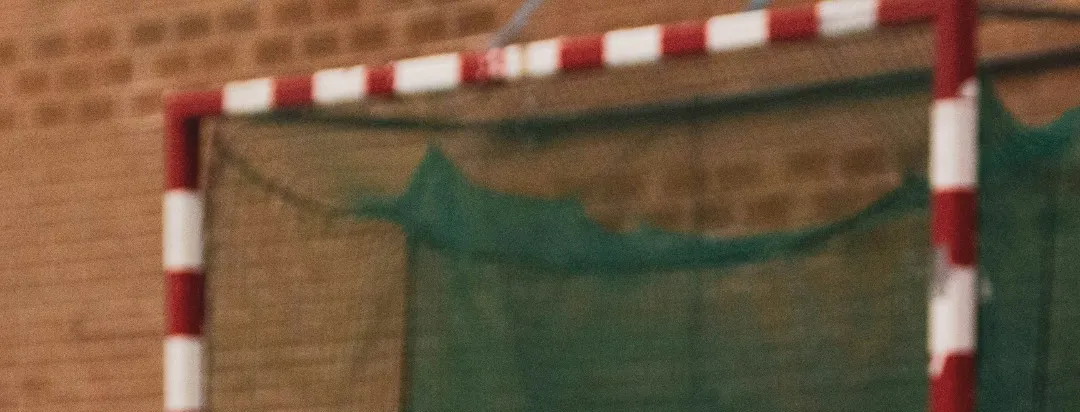
If you have ever watched a youth match with six goals, no goalkeepers, and a field the size of a basketball court, you have already seen small-sided soccer in action. The concept is simple: shrink the game so every player stays involved from whistle to whistle.
While the idea originated as a developmental tool for kids, small-sided soccer has grown into a popular training method for clubs, schools, and even adult leagues looking for a faster, more skill-centric style of play.
Small-sided soccer is any match played with fewer than the traditional 11 players per team on a downsized field. The format typically ranges from 3v3 up to 9v9, with each version designed around specific age groups and developmental goals.
What never changes is the objective: more touches, more decisions, and more meaningful involvement for every athlete on the pitch.
National federations set recommended player counts and field sizes to keep the game proportionate to young athletes' abilities. A smaller roster means the field must also shrink, or spacing becomes unrealistic.
Along with the condensed space, organizers tweak certain laws to fit the younger, smaller, or faster style of play.
Though specifics vary by league, several adjustments appear almost everywhere.
Research and real-world observation agree that fewer players translate into more ball contacts per athlete. With limited space to hide, every child is forced to dribble, pass, and defend within seconds.
The result is accelerated technical growth and improved decision-making under pressure.
Most governing bodies recommend beginning formal 11v11 play around ages 13 to 14, after athletes have mastered foundational skills in smaller games.
That said, adult pickup groups, futsal clubs, and corporate leagues still use small-sided formats for an up-tempo workout and minimal roster requirements.
A downsized pitch requires portable goals and clear boundary lines. Using age-appropriate balls and easily movable markers lets coaches change drill layouts in seconds.
Small-sided soccer is not a watered-down version of the sport. It is a targeted approach that prioritizes touches, teaching moments, and pure enjoyment over winning at all costs.
Whether you are a parent looking for the best environment for your child or a coach searching for new training ideas, scaling down the game could be the quickest way to scale up development.
Gametime Hero is the AI-powered operating system for active communities.
If you're organizing a community and tired of the chaos, start here
You know your community best — we know how to help it thrive.
You're already doing the hard part: building a community people care about. Gametime Hero gives you events, registration forms, a custom website, payments, scheduling, and communications — so you can stop juggling tools and start scaling.
Whether you run a weekly pickup group or a multi-season league, we'll walk you through exactly how it works for your setup.


Explore our collection of 200+ Premium Webflow Templates