Lorem ipsum dolor sit amet, consectetur adipiscing elit ut liqua purus sit amet luctus venenatis, lectus magna.

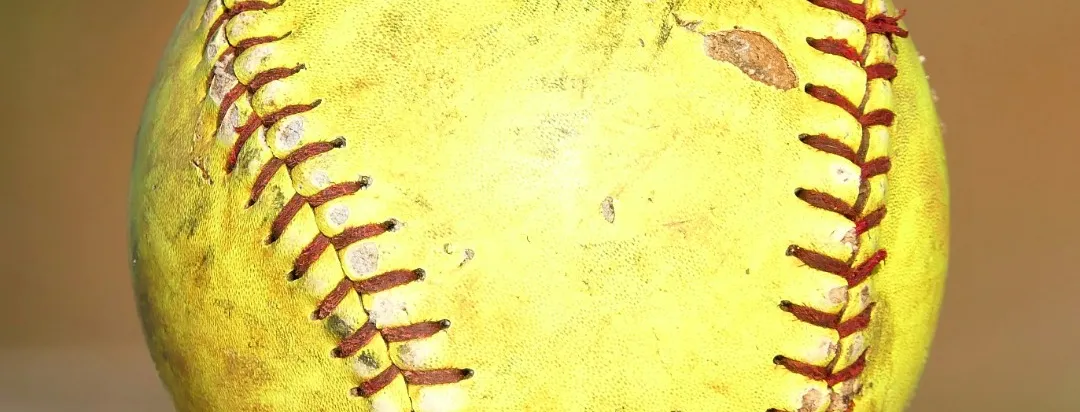
Softball comes in two distinct formats that look similar from the bleachers yet feel completely different on the diamond: slow-pitch and fast-pitch. Understanding how each game is structured can help players choose the right league and fans follow the action with greater clarity.
This guide breaks down the core differences between the two variants, covering pitching mechanics, field layout, equipment, and in-game strategy so you can quickly see what sets them apart.
Slow-pitch evolved as a more recreational alternative, emphasizing inclusive, high-scoring play that welcomes beginners. Fast-pitch retained a competitive edge, mirroring baseball’s speed and tactical depth while offering a pathway to collegiate and professional opportunities.
Because the goals of each game diverged, the rules and field specifications grew apart, leading to noticeable contrasts that extend beyond just how the ball leaves the pitcher’s hand.
In fast-pitch, pitchers deliver the ball with a full windmill motion and a snap at release, routinely reaching 60 to 70 mph at higher levels. The ball travels on a rising trajectory, shrinking a hitter’s reaction window to fractions of a second.
Slow-pitch requires the ball to arc at least six feet above the ground (some leagues mandate up to 12 feet) before descending toward home plate. Speeds rarely exceed 25 mph, placing the emphasis on ball placement rather than velocity.
Base paths in fast-pitch are typically 60 feet, while slow-pitch leagues sometimes stretch them to 65 or even 70 feet to compensate for easier hitting. Outfield fences can also be set farther back in slow-pitch to limit home runs.
Most fast-pitch games last seven innings, mirroring baseball’s traditional structure. Slow-pitch often features seven innings as well, although mercy-rule run limits or time caps are common in recreational play.
Bats used in slow-pitch are generally heavier with thicker barrels to drive the larger, lower-compression ball. Fast-pitch bats are lighter for quicker swing speeds and must meet stricter performance standards at competitive levels.
Glove size is similar, but pitchers and infielders in fast-pitch sometimes choose smaller, more flexible models for rapid transfers. Helmets with faceguards are mandatory in fast-pitch batting; slow-pitch leagues vary in their safety requirements.
Fast-pitch strategy hinges on pitching dominance, small-ball tactics, and aggressive base running. Coaches leverage bunts, slap hits, and stolen bases to manufacture runs in a low-scoring environment.
Slow-pitch lineups favor power hitting because every batter sees a hittable pitch. Defensive shifts and home-run limits help balance the game, but scores in the double digits are common, keeping the pace lively yet less pressure-packed.
Players who enjoy swift pitching duels, intricate strategy, and potential advancement to higher competition usually gravitate toward fast-pitch softball. The skill ceiling is high, and training commitments can be significant.
Those seeking a relaxed social atmosphere, co-ed participation, and frequent offensive action often prefer slow-pitch. Equipment costs are modest, and game schedules are flexible, making it accessible for weekend warriors.
While both sports share a diamond and a yellow ball, slow-pitch and fast-pitch softball deliver distinctly different experiences. The former prioritizes inclusivity and offense, whereas the latter showcases elite athleticism and tactical nuance.
Whether you pick up a heavier bat for an after-work league or lace up cleats for a competitive fast-pitch squad, understanding these differences will help you appreciate the strengths of each game and play to your own.
Gametime Hero is the AI-powered operating system for active communities.
If you're organizing a community and tired of the chaos, start here
You know your community best — we know how to help it thrive.
You're already doing the hard part: building a community people care about. Gametime Hero gives you events, registration forms, a custom website, payments, scheduling, and communications — so you can stop juggling tools and start scaling.
Whether you run a weekly pickup group or a multi-season league, we'll walk you through exactly how it works for your setup.


Explore our collection of 200+ Premium Webflow Templates