
How to Play Mahjong: Complete Guide
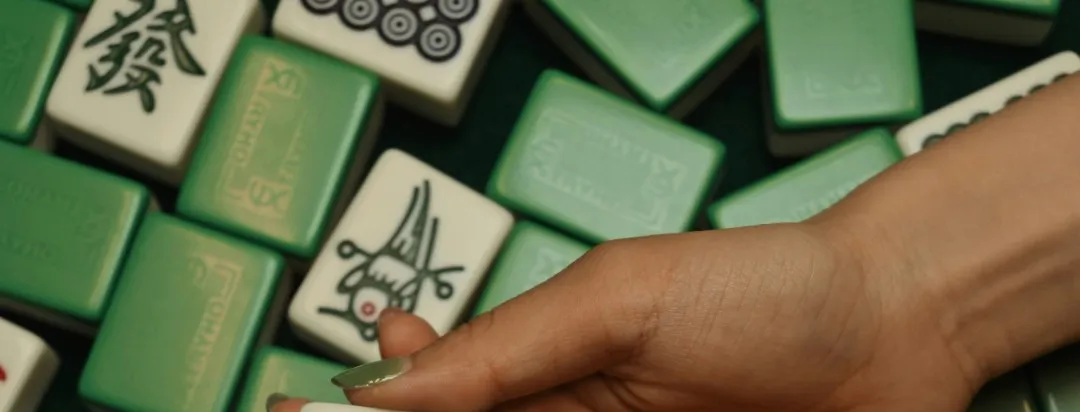
To play Mahjong, seat four players at a table with a 144-tile set, deal 14 tiles to East and 13 to everyone else, then take turns drawing and discarding a tile. Build a hand of four melds plus a pair using chows, pungs and kongs, calling discards when needed.
Mahjong is a tile-based strategy game that rewards quick calculation, memory, and a dash of luck. Originating in China in the 19th century, it has since branched into countless local and international variants.
If you have always wanted to join a table but felt intimidated by the ornate tiles and rapid-fire calls, this guide walks you through the essentials of equipment, setup, gameplay, and scoring so you can start playing with confidence.
What You Need to Play
A traditional Mahjong set contains 144 tiles split into suits, honors, and bonus tiles. Most sets also include dice, wind markers, and scoring sticks or chips.
Modern travel or American sets may add racks and specialized score cards, but the core components stay the same.
- 3 Suits: Dots, Bamboo, Characters (1–9 each, four copies)
- Honors: Winds (East, South, West, North) and Dragons (Red, Green, White)
Table Roles and Seating
Before tiles are shuffled, players draw for seating. Each seat matches a wind, East typically starts and scores extra points.
After every round, players rotate seats so that everyone eventually becomes East, evening out positional advantages.
Building the Wall and Dealing Tiles
All 144 tiles are turned face down, mixed, and stacked into four 18-tile walls. These walls are pushed together to form a square around the center.
East rolls the dice to decide where the wall is broken, then dealing begins: East takes 14 tiles, everyone else takes 13. Hidden tiles form the "dead wall" for supplemental draws when a kong is declared.
Turn Structure: Draw, Discard, Call
A turn starts with the active player drawing one tile from the wall, bringing their total to 14. They then discard one tile to return to 13.
Other players may claim that discard to complete a pung, chow, or kong, interrupting order of play. If no one calls, turns move clockwise.
Melds Explained
Mahjong hands are built from four melds plus a pair. Melds can be either concealed (formed from drawn tiles) or exposed (declared using a discard).
The three standard meld types are straightforward once you memorize their patterns.
- Chow: three consecutive numbers in the same suit
- Pung: three identical tiles
- Kong: four identical tiles, adding a bonus draw
Winning a Hand (Mahjong)
A player declares Mahjong when they can assemble four melds and a pair, totaling 14 tiles. The winning tile can be self-drawn or taken from another player's discard.
After the declaration, tiles are revealed for verification, and points are tallied according to the local scoring system in use.
Scoring Basics
Scoring varies by region, but most systems attach base points to meld types, concealed hands, and seat wind bonuses. Multipliers may apply for rare hands such as Thirteen Orphans or All Terminals.
In Chinese Classical rules, points convert directly to chips or sticks at the end of each round, while in Japanese Riichi, scores are tracked cumulatively over several hands.
Popular Rule Variations
American Mahjong uses racks, jokers, and an annually updated score card dictating valid hands, turning the game into more of a pattern chase.
Japanese Riichi introduces a betting element called riichi and the concept of dora bonus tiles, increasing volatility and strategy.
Hong Kong Old Style keeps rules lean, focusing on fast rounds and straightforward scoring.
Beginner Tips for Faster Improvement
Focus on completing one suit early rather than spreading across all three, reducing decision fatigue as the wall shrinks.
Watch discards closely to predict opponents' needs. Learning when not to feed a player their winning tile is as important as building your own hand.
Final Thoughts
Mahjong’s layered mechanics may look complex, but once you grasp tile groups and turn flow, each hand becomes an engaging puzzle that plays out in minutes.
Gather a set, agree on one ruleset, and practice regularly. With every wall you build and break, your recognition speed will improve, transforming those engraved tiles into winning combinations.
Gametime Hero is the AI-powered operating system for active communities.
If you're organizing a community and tired of the chaos, start here

