
Rules of Mahjong: Explained
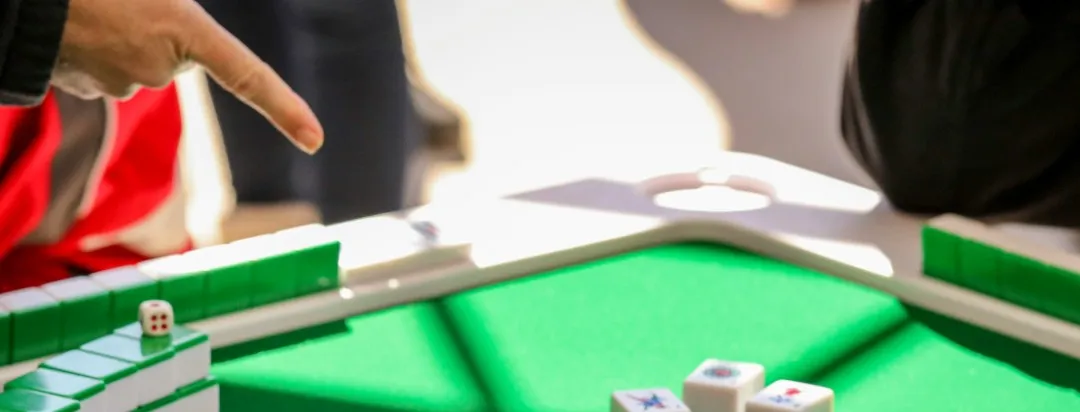
Mahjong is a four-player tile game where you draw and discard to be first to complete a winning hand. A hand usually has 14 tiles arranged as four melds and a pair. Melds are a Pung (three identical tiles), a Chow (three-tile straight), or a Kong (four identical tiles).
Mahjong is a tile-based game that blends strategy, memory, and a bit of luck. While regional variants exist, the core mechanics remain familiar worldwide: draw and discard tiles to form a winning hand before your opponents do.
If you have ever sat down at a Mahjong table and felt overwhelmed by the symbols, walls, and rapid calls of "Pung" or "Mahjong," this guide will clear up the confusion. Below is a straightforward breakdown of the essential rules every new player should know.
A Brief History of Mahjong
Mahjong emerged in China in the mid-1800s and quickly spread beyond its borders by the early 20th century. Ports like Shanghai introduced travelers to the game, who then carried it to the United States, Europe, and across Asia.
Despite regional tweaks, the foundation, four players, 136 to 144 tiles, and the goal of assembling specific tile combinations, has changed little. Understanding these shared roots helps when you encounter unfamiliar local rules at a new table.
Basic Equipment and Tile Breakdown
A standard Mahjong set contains 144 tiles, though some versions omit or add specialty tiles. Tiles are divided into suits, honors, and bonus categories, each serving a specific role during gameplay.
Knowing the tile groups is half the battle, as every legal hand relies on combining them in approved patterns.
- Suits: Dots (Circles), Bamboo (Sticks), Characters (Numbers) – 1 through 9, four of each number per suit
- Honors: Winds (East, South, West, North) and Dragons (Red, Green, White), four of each
- Bonus: Flowers and Seasons, typically one of each tile
Objective of the Game
The primary aim is to be the first player to complete a legal winning hand, usually made up of 14 tiles arranged as four melds and a pair. A meld can be a Pung (three identical tiles), Chow (a straight of three in one suit), or Kong (four identical tiles).
Once a player forms the required structure, they declare "Mahjong" to end the round. Points are then tallied based on the hand’s complexity, bonus tiles, and any special scoring patterns in play.
Setup and Dealing
Players shuffle the tiles face down and build a square "wall" two tiles high in front of each seat. A roll of dice determines the dealer, referred to as the East Wind, who also begins each round.
Starting from the dealer’s wall, tiles are dealt in sets of four, moving counterclockwise, until each player has 13 tiles. The dealer takes one extra tile to begin with 14 and immediately discards one to start the first turn.
Turn Structure and Tile Draws
Turns follow a simple rhythm: draw one tile, decide whether it fits your hand, then discard one tile face up to the center. Play proceeds counterclockwise.
If another player can use the discarded tile to complete a meld, they may claim it out of turn, priority goes to the highest-value meld or a winning declaration. If no one claims it, the next player draws from the wall and play continues.
Melds: Pungs, Chows, and Kongs
Pungs (three of a kind) and Kongs (four of a kind) can be claimed from any player’s discard. Chows (three consecutive numbers in the same suit) may only be taken from the discard of the player immediately before you.
When calling a tile, announce the meld type, reveal the completed set, and place it face up in front of you. Kongs grant an extra draw from the back end of the wall, maintaining your hand size.
Winning Hands and Scoring Basics
Most versions require four melds plus a matching pair, but certain hands, like Seven Pairs or Thirteen Orphans, break that mold and score higher. Once you declare Mahjong, scoring begins.
Points (or doubles, depending on the rule set) come from hand composition, concealed melds, prevailing winds, self-draw victories, and bonus tiles. Because scoring tables differ by region, confirm the house rules before play begins.
Common Variations to Know
American Mahjong introduces Joker tiles and a yearly card that lists specific hands players must create. Japanese Riichi Mahjong adds penalty sticks and the dramatic "Riichi" bet, which rewards players for declaring a ready hand.
Hong Kong, Taiwanese, and Singaporean styles adjust tile counts, scoring thresholds, or bonus conditions. While the core draw-and-discard flow remains, these tweaks can significantly change strategy.
Final Thoughts
Mahjong’s rules may seem dense at first glance, yet they follow a logical pattern once you understand tile groups, turn order, and meld priorities. From there, the game’s depth reveals itself through strategic discards, reading opponents, and mindful tracking of remaining tiles.
Whether you stick to a traditional Chinese set or explore regional variants, mastering the fundamentals outlined above will have you breaking down walls and calling Mahjong with growing confidence.
Gametime Hero is the AI-powered operating system for active communities.
If you're organizing a community and tired of the chaos, start here


