
How Long Is the WNBA Shot Clock?
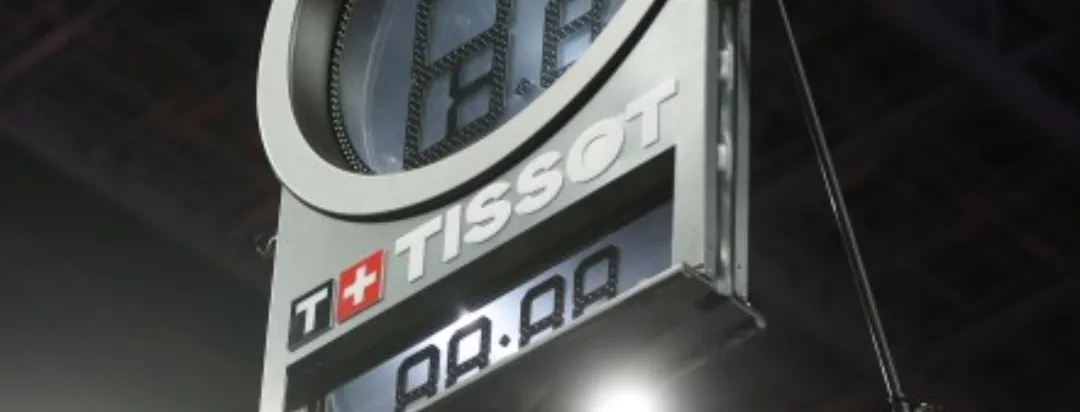
The WNBA shot clock is 24 seconds. A team must attempt a shot that hits the rim within that time or lose the ball. A reset gives a full 24 seconds on a change of possession, while an offensive rebound after a shot hits the rim resets it to 14.
Few rules influence basketball rhythm as directly as the shot clock, which forces teams to make quick decisions and prevents games from dragging.
This article breaks down the exact length of the WNBA shot clock, explains when it resets, looks at how the rule has evolved, and explores its impact on the league’s style of play.
Official WNBA Shot Clock Length
The WNBA operates with a 24-second shot clock. That means once a team gains possession, it has 24 seconds to attempt a field goal that makes contact with the rim or scores. If the team fails to do so, the ball is awarded to the opponent.
This timing aligns the league with the NBA and FIBA standards, creating consistency across most professional basketball worldwide.
Reset Rules and Partial Resets
A fresh 24-second clock is not the only timing scenario players face. Certain situations trigger a shorter reset, designed to keep the action brisk when a defense has already worked for much of the possession.
- Full 24-second reset: Change of possession, defensive foul, or kicked-ball violation before the shot hits the rim.
- 14-second reset: Offensive rebound after a shot hits the rim, defensive goaltending, or when the defense is assessed a foul in the frontcourt with 14 seconds or fewer remaining.
Why 24 Seconds Matters for the WNBA
The shorter clock compared with the 30-second timer used in women’s college basketball speeds up possessions, leading to higher scores and more possessions per game.
Coaches design quick-hitting sets, and players develop faster decision-making skills, giving the league a dynamic style that appeals to fans who appreciate continuous action.
Historical Changes to the Rule
When the WNBA tipped off in 1997, it mirrored women’s college rules and used a 30-second shot clock. The league trimmed that to 24 seconds in 2006, alongside moving to four 10-minute quarters.
The change aligned the women’s pro game with global professional standards, making international transitions easier for players and officials while boosting tempo and scoring.
Shot Clock Violations Explained
A violation occurs if the buzzer sounds before the ball leaves a shooter’s hand or if a shot is released but fails to hit the rim. Officials immediately whistle the play dead, and possession shifts to the defensive team at the spot nearest to where the attempt was taken.
Teams often practice late-clock scenarios to avoid forced heaves and turnovers, emphasizing crisp ball movement and awareness of clock location on every possession.
Visual Placement and Audible Cues
Fans and players track the countdown on digital displays positioned above both backboards and on the main scoreboard. Visible timers ensure everyone in the building can follow the dwindling seconds.
When the clock reaches zero, a loud buzzer sounds at the same time red lights illuminate around the backboard, giving referees an immediate indicator that a violation has occurred.
- Each basket features a digital shot clock mounted above the backboard.
- An arena horn and red backboard lights signal expiration.
Conclusion
The WNBA’s 24-second shot clock fuels the league’s up-tempo identity. Full and partial resets keep possessions meaningful, while strict violation enforcement rewards alert defenses and decisive offenses.
Whether you are a player, coach, or fan, understanding the nuances of the shot clock adds another layer of appreciation to every possession you watch.
Gametime Hero is the AI-powered operating system for active communities.
If you're organizing a community and tired of the chaos, start here

