
How Long Is an NBA Shot Clock?
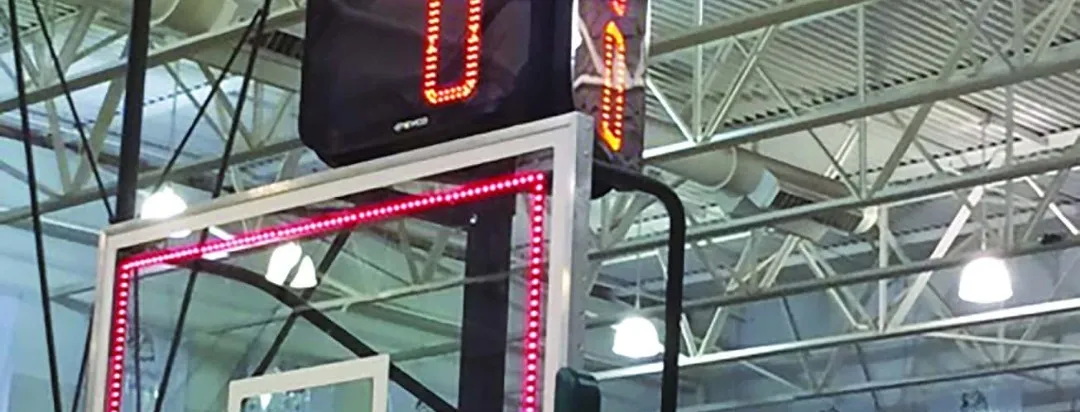
The NBA shot clock is 24 seconds. A team must attempt a field goal that hits the rim before the horn, or it is a shot-clock violation and possession changes. Since 2018, an offensive rebound after a shot hitting the rim resets the clock to just 14 seconds.
Few rules affect basketball’s tempo more than the shot clock. By capping each possession, it forces offenses to act quickly and keeps spectators engaged from start to finish.
While the basic answer is simple, the NBA shot clock is 24 seconds, the finer details around resets, timing, and historical context reveal why this rule is vital to the modern game.
The Official Length: 24 Seconds
In every NBA game, a team has 24 seconds to attempt a field-goal try that hits the rim. If the horn sounds before the ball grazes the iron, it is a shot-clock violation and possession changes hands.
The clock is visible above each backboard and on the scorer’s table, allowing players, coaches, and fans to track the dwindling seconds in real time.
Why 24 Seconds? A Brief History
The NBA adopted the shot clock in the 1954-55 season to curb stalling tactics that had slowed games to a crawl. Syracuse Nationals owner Danny Biasone and team executive Leo Ferris landed on 24 seconds after dividing the typical 48-minute game (2,880 seconds) by what they considered an ideal 120 shots per contest.
The experiment worked immediately: league scoring leaped from 79 to 93 points per game in the first season with the clock, and attendance followed suit.
When the Shot Clock Starts and Stops
The 24-second timer begins when a player on offense gains clear possession in the front- or backcourt. It pauses when officials stop play for fouls, violations, or timeouts, and it resets under specific circumstances detailed below.
Understanding these start-and-stop triggers is crucial for point guards orchestrating late-clock scenarios and coaches deciding when to call a timeout.
Reset Rules: 24 vs 14 Seconds
A full reset to 24 seconds occurs when the defense gains control, the ball hits the rim and the defense rebounds, or a foul is committed by the defense before the shot is released.
Since 2018, offensive rebounds after a shot that hits the rim generate only a 14-second reset. The league introduced this tweak to keep possessions brisk and prevent teams from milking a fresh 24 after missed shots.
- Full reset: new possession, defensive foul, kicked ball by defense
- 14-second reset: offensive rebound, loose-ball foul by defense, goaltending on a shot attempt
Strategic Impact on Offense and Defense
With just 24 seconds, teams structure plays in phases: early offense (24–18), action sets (17–7), and late-clock creativity (6–0). Players who thrive under pressure, think elite isolation scorers or crafty pick-and-roll duos, become invaluable as the buzzer nears.
Defensively, forcing an opponent deep into the clock can lead to rushed shots. Many coaches preach "multiple efforts" on one possession, knowing a single deflection or trap can burn vital seconds.
How Other Leagues Compare
FIBA and WNBA games also use 24-second clocks with 14-second offensive rebound resets, creating a consistent global standard.
College basketball, however, operates on a 30-second clock, while high-school rules range from 30 to 35 seconds depending on the state. These longer limits allow more deliberate offensive sets but alter pacing and scoring averages.
Key Takeaways
The NBA’s 24-second shot clock stands as a cornerstone of the league’s fast-paced identity. By limiting possession time, it balances offense and defense, rewards decisive play, and ensures fans rarely endure idle moments.
Whether you are studying advanced analytics or simply trying to master your next pick-up game, understanding the nuances behind those ticking numbers can deepen your appreciation of basketball strategy.
Gametime Hero is the AI-powered operating system for active communities.
If you're organizing a community and tired of the chaos, start here

