Lorem ipsum dolor sit amet, consectetur adipiscing elit ut liqua purus sit amet luctus venenatis, lectus magna.

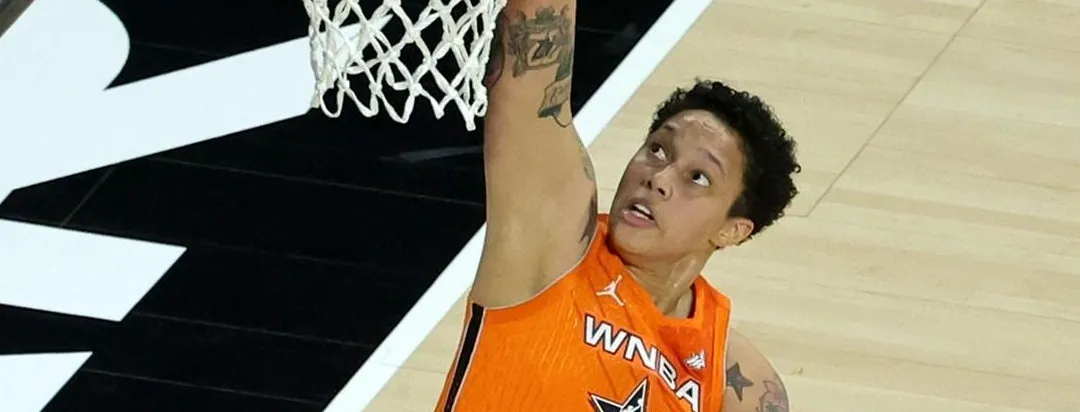
Basketball fans often notice that the WNBA season feels shorter than the NBA grind or the flurry of NCAA hoops. That impression is correct, but the exact differences in game count and calendar length can be surprising.
This guide breaks down how many games each league plays, when their seasons officially start and end, and the key reasons the schedules diverge. Whether you follow pro or college hoops, you will leave with a clear understanding of how the three major basketball calendars line up.
The WNBA regular season currently features 40 games per team, played from early May through early September. That four-month window includes several short schedule breaks for events such as the Commissioner’s Cup and FIBA international windows.
After the regular season, eight of the league’s twelve teams advance to the playoffs. The postseason lasts roughly four weeks, wrapping up before the end of October. Counting preseason, regular season, and playoffs, the WNBA calendar spans about six months from the opening training camp to the final championship game.
NBA teams play an 82-game regular season, exactly double the WNBA slate. The league tips off in mid-October and ends the regular season in mid-April.
The playoffs can stretch more than two additional months, with the NBA Finals often concluding in mid-June. When preseason is factored in, NBA players are on the clock for close to nine months each year.
College basketball follows an academic calendar. Most Division I programs play 30 to 35 regular-season games beginning in early November and ending by the first week of March.
Conference tournaments add up to four more games. Teams that reach the NCAA Tournament could play six additional contests, finishing in early April. All told, the season runs roughly five months, though offseason practice windows differ.
Stacking the three schedules next to one another highlights the contrast.
Player availability drives much of the difference. A large percentage of WNBA athletes compete overseas during the traditional fall and winter months, supplementing their income and sharpening skills. A compact summer schedule allows them to honor both contracts without overlap.
Arena logistics also play a role. Many WNBA teams share venues with NBA or NHL franchises, making a condensed calendar easier to manage around longer tenant seasons.
Fewer games create a heightened sense of urgency in the WNBA. Each matchup carries more weight in playoff seeding than an NBA contest, where a team can afford the occasional off night.
For fans, the shorter campaign means limited opportunities to catch games in person, yet it also makes following the league simpler because there are no long lulls or mid-season stretches of back-to-back fatigue.
Because the WNBA begins just as the NBA playoffs are winding down, basketball enthusiasts essentially get year-round action. Once the NCAA Tournament ends in early April, only a brief gap exists before the WNBA tips off.
This staggered timing benefits broadcasters and fans alike, enabling continuous hoops coverage without forcing viewers to choose between overlapping marquee events.
The WNBA’s 40-game regular season is the shortest of the three major basketball calendars, lasting about four months compared with the NBA’s six and the NCAA’s five. Yet its postseason structure and timing create a full six-month commitment when preseason is included.
Understanding the motivations behind each league’s schedule, player availability, venue access, and broadcast windows, adds context to why your spring, summer, and fall hoops viewing looks the way it does. Now you can plan accordingly and never miss a tip-off.
Gametime Hero is the AI-powered operating system for active communities.
If you're organizing a community and tired of the chaos, start here
You know your community best — we know how to help it thrive.
You're already doing the hard part: building a community people care about. Gametime Hero gives you events, registration forms, a custom website, payments, scheduling, and communications — so you can stop juggling tools and start scaling.
Whether you run a weekly pickup group or a multi-season league, we'll walk you through exactly how it works for your setup.


Explore our collection of 200+ Premium Webflow Templates