Lorem ipsum dolor sit amet, consectetur adipiscing elit ut liqua purus sit amet luctus venenatis, lectus magna.


Thanks to improved technology and growing community support, wheelchair users today can take part in almost every major sport. What began with a few military-rehabilitation programs after World War II has evolved into an international movement that includes youth leagues, local clubs, and the Paralympic Games.
Whether you want high-speed competition or a casual way to stay fit, there is likely a wheelchair-adapted version of the sport you love. Below is a look at the most accessible and exciting options, along with tips for choosing the right one.
An adaptive sport is any activity modified so athletes with physical disabilities can participate on an equal footing with able-bodied peers. The adaptations often center on equipment changes, rule tweaks, and classification systems that group players by functional ability rather than by age or gender alone.
Most wheelchair sports use two main chair styles: day-to-day chairs for recreational play and specialized sports chairs with cambered wheels, lightweight frames, and sport-specific features such as anti-tip bars or kneestraps.
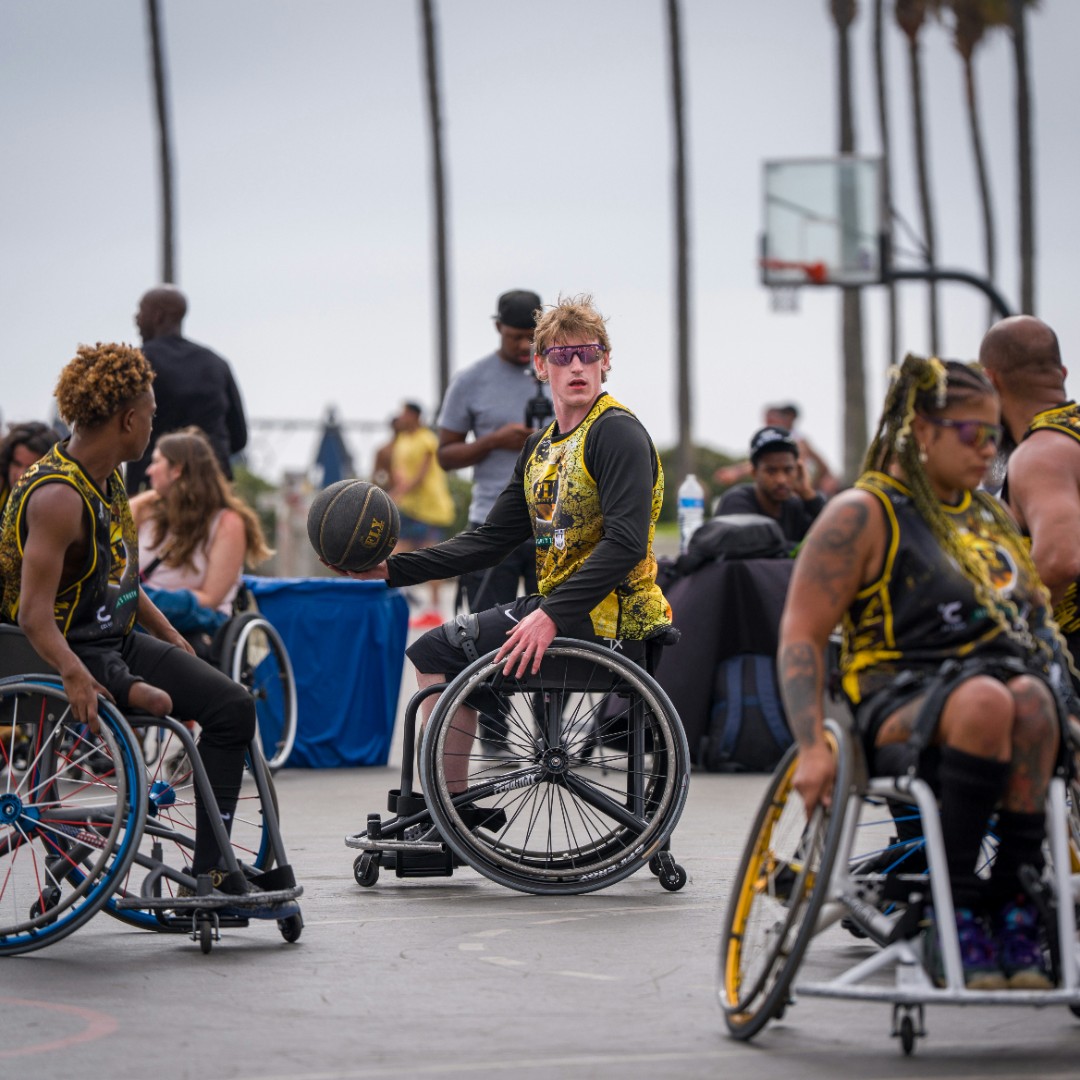
Team play offers social connection and the thrill of group strategy. Several mainstream sports translate exceptionally well to the chair, retaining almost all of their original pace and tactics while adding unique tactical wrinkles.
If you prefer one-on-one competition or a solo training schedule, plenty of adaptive sports focus on personal performance. Chairs are engineered for speed, control, and efficiency to match the demands of each discipline.
For thrill-seekers, adaptive sports have pushed beyond traditional arenas. Mountain trails, skate parks, and white-water rapids are all in play as equipment innovation widens access.
Off-road wheelchairs with suspension systems, sit-skis for alpine slopes, and custom outriggers for kayaking let athletes conquer terrain once considered impossible.
Start with your physical goals. Cardiovascular endurance, upper-body strength, and hand-eye coordination develop differently across sports. Pick one that aligns with what you want to improve most.
Next, consider logistics. Look for local clubs, certified coaches, and accessible facilities. Many organizations offer loaner equipment so you can try a sport before investing in a custom chair.
Finally, factor in social preference. Team environments can be motivating, while individual sports allow flexible scheduling and self-paced progress.
Proper fit is crucial. A sports chair that is too wide or too high hinders maneuverability and raises the risk of overuse injuries.
Invest in quality gloves, straps, and helmets where required. These relatively small items make a significant difference in comfort and protection.
Regular maintenance, checking tire pressure, tightening bolts, and inspecting welds, keeps equipment responsive and reduces downtime.
Adaptive sports prove that mobility limitations do not have to limit athletic ambition. With the right equipment and community support, wheelchair users can experience the same rush of competition, fitness gains, and camaraderie found in any mainstream league.
Explore local programs, test a few disciplines, and find the activity that sparks your passion. The court, trail, and water are all within reach.
Gametime Hero is the AI-powered operating system for active communities.
If you're organizing a community and tired of the chaos, start here
You know your community best — we know how to help it thrive.
You're already doing the hard part: building a community people care about. Gametime Hero gives you events, registration forms, a custom website, payments, scheduling, and communications — so you can stop juggling tools and start scaling.
Whether you run a weekly pickup group or a multi-season league, we'll walk you through exactly how it works for your setup.


Explore our collection of 200+ Premium Webflow Templates