Lorem ipsum dolor sit amet, consectetur adipiscing elit ut liqua purus sit amet luctus venenatis, lectus magna.

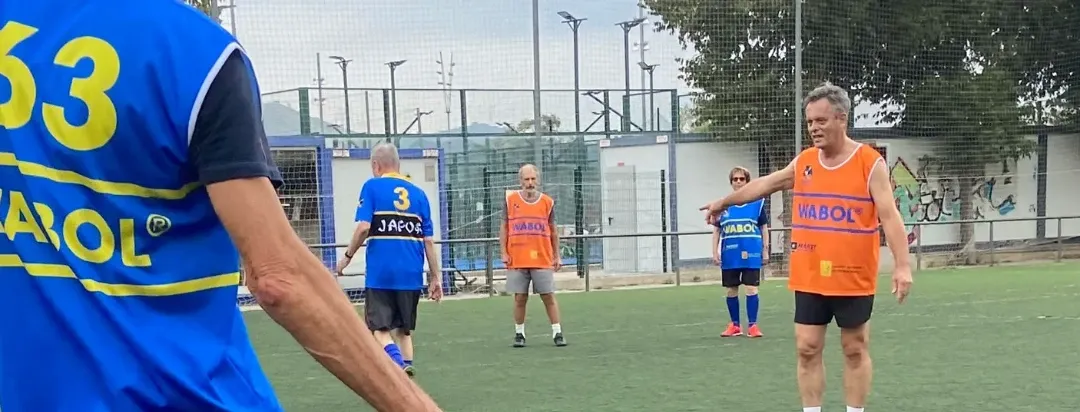
Walking soccer has exploded in popularity over the past decade, especially among adults who still love the tactics of soccer but prefer a lower impact workout.
By replacing running with brisk walking, the game opens the door to players of all ages, fitness levels, and abilities. This guide breaks down what walking soccer is, the rules that set it apart, and how you can get involved in your local area.
Walking soccer is a modified form of association football where running is prohibited and physical contact is kept to a minimum. Matches are generally played six a side on a smaller pitch, with goals sized down accordingly.
The concept originated in the United Kingdom as a way for retired players to stay active, but it has since grown worldwide. Leagues now welcome anyone seeking a sociable, skill oriented game without the strain of full speed sprints.
While the sport retains the essence of traditional soccer, a handful of rule tweaks maintain safety and keep the pace controlled.
The exact regulations can vary slightly by league, yet most follow standards issued by national walking football associations.
Because play is continuous but low impact, walking soccer delivers a moderate cardiovascular workout that supports weight management, heart health, and joint mobility.
Beyond fitness, the sport offers strong social perks. Regular sessions foster camaraderie, reduce feelings of isolation, and often act as informal support networks, particularly for older adults or people returning from injury.
The beauty of walking soccer is its simplicity. Most games use a futsal style ball on artificial turf or a small grass pitch measuring roughly 20 to 40 yards long.
Players need only comfortable athletic shoes, lightweight shin guards, and weather appropriate training wear. Some leagues prefer turf shoes over cleats to limit slips and collisions.
Finding a local club is easier than ever. Many community centers, recreation departments, and senior organizations host weekly sessions. A quick online search for “walking soccer near me” usually yields options.
If no league exists in your area, consider starting your own. Secure a small field, gather a few friends, and adopt the basic rule set. Word of mouth and social media can quickly grow numbers, turning a casual kick about into a thriving community team.
Even without running, technical ability matters. Short passing drills sharpen control and keep the ball moving at a steady pace.
Defensive players can practice jockeying at walking speed, while attackers rehearse finding space with clever positioning. Regular drills boost confidence and make match play more enjoyable.
Walking soccer proves that the thrill of the game does not rely on speed. By dialing back intensity, it invites a wider range of players to enjoy soccer’s strategy, teamwork, and fun.
Whether you are returning to sport after years away or simply want a fresh, sociable workout, lace up a pair of comfortable shoes and give walking soccer a try. The only thing you might lose is the excuse not to play.
Gametime Hero is the AI-powered operating system for active communities.
If you're organizing a community and tired of the chaos, start here
You know your community best — we know how to help it thrive.
You're already doing the hard part: building a community people care about. Gametime Hero gives you events, registration forms, a custom website, payments, scheduling, and communications — so you can stop juggling tools and start scaling.
Whether you run a weekly pickup group or a multi-season league, we'll walk you through exactly how it works for your setup.


Explore our collection of 200+ Premium Webflow Templates