
What Does the Designated Hitter Do in Baseball?
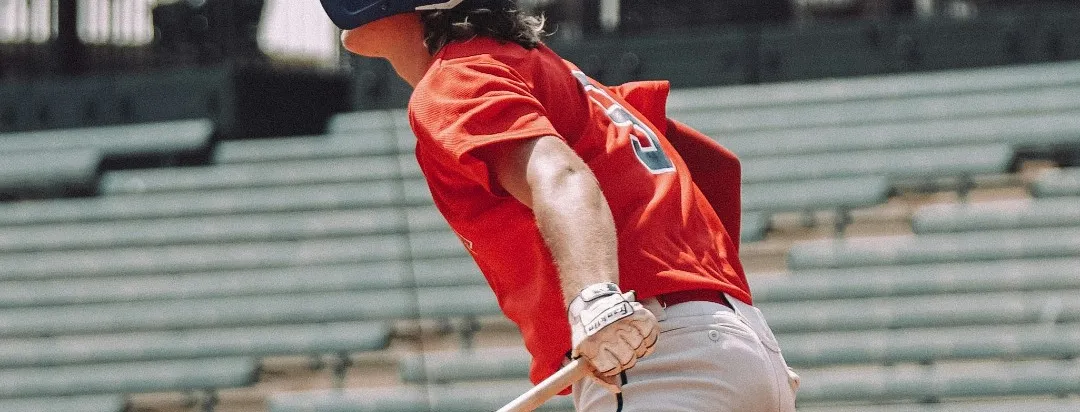
Few rule changes have altered baseball quite like the introduction of the designated hitter, often shortened to DH. The position lets teams place a pure hitter in the lineup without requiring that player to take the field on defense.
While the American League embraced the DH in 1973, the National League only made it permanent in 2022. Knowing what the designated hitter does, and why the rule was created, offers insight into roster construction, in-game strategy, and even player longevity.
The Basics of the Designated Hitter
A designated hitter bats in place of the pitcher for the entire game, occupying a spot in the batting order but never playing a defensive position. Once the game starts, the manager cannot swap the DH to the field without losing the role for the rest of the contest.
Because pitchers typically focus on throwing rather than hitting, replacing them with a skilled batter raises run production and keeps games moving. The DH follows the same batting rotation rules as every other player and can be pinch hit for later in the game like any other spot.
How the DH Changes Offensive Strategy
Managers gain flexibility when they no longer have to consider the pitcher’s spot in late-inning rally situations. Sacrifice bunts, double switches, and early pinch hit appearances become less common, allowing for a more straightforward use of the bench.
Teams often look for power hitters or on base specialists to fill the role, confident that defensive limitations will not offset the offensive upside. This focus can lengthen careers for aging sluggers who still provide value with the bat but struggle to cover ground in the field.
Impact on Pitchers and Roster Construction
With no expectation to bat, starting pitchers can concentrate solely on pitching mechanics and in-game stamina. Relief pitchers likewise avoid plate appearances that could disrupt bullpen management.
Roster spots shift as clubs invest in an extra hitter rather than carrying a two-way bench player who can both hit and cover multiple defensive positions. Some teams even rotate the DH role among regular fielders to provide occasional rest without sacrificing offense.
DH Rules in the American League vs the National League
From 1973 to 2021 only the American League used the DH full time, while the National League required pitchers to bat except during interleague games at AL parks. That split affected player signings and game tactics across the two leagues.
Major League Baseball adopted a universal designated hitter starting in the 2022 season, standardizing strategy and simplifying roster planning for all 30 teams. Despite the change, the rule books still contain league specific nuances, such as how double switches are handled when a team loses its DH eligibility.
Notable Designated Hitters Over the Years
Several players have turned the DH role into a pathway toward historic production and, in some cases, Hall of Fame status.
- Edgar Martinez, a career .312 hitter whose name now adorns MLB’s annual DH award
- David Ortiz, three time World Series champion and clutch playoff performer for Boston
- Nelson Cruz, maintained 40 home run power well into his late 30s thanks to DH duties
The DH Beyond Major League Baseball
College baseball, many minor leagues, and some international competitions use versions of the designated hitter rule, though details vary by governing body.
Studying these alternate rules offers further perspective on how removing the pitcher’s bat can influence game flow and roster construction at every level of play.
Conclusion
The designated hitter simplifies offense, protects pitchers, and reshapes how managers deploy their rosters. Whether you prefer the traditional pitcher at the plate approach or the run scoring upside of a DH, understanding the rule clarifies many of today’s strategic decisions.
With the universal DH now cemented in Major League Baseball, the role will only grow in importance, influencing contract negotiations, player development, and the way fans experience the game.
Gametime Hero is the AI-powered operating system for active communities.
If you're organizing a community and tired of the chaos, start here

