
What Happens When a Team Is Relegated in Soccer?
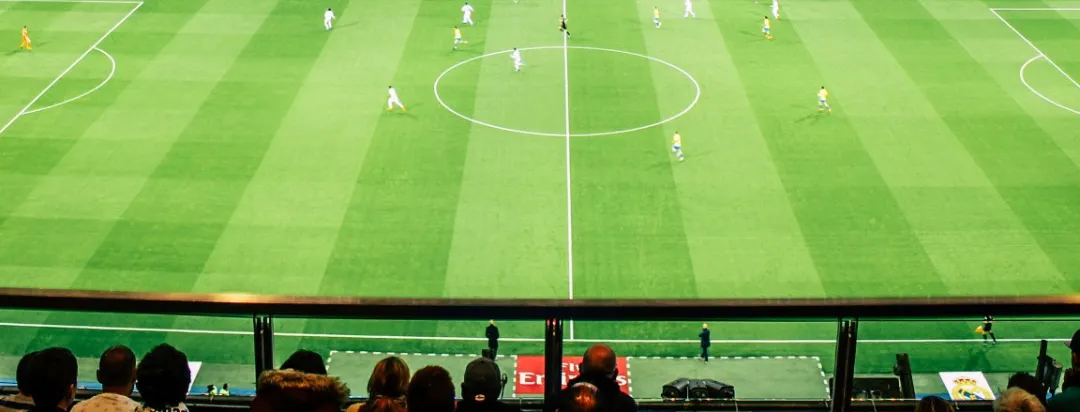
When a soccer team is relegated, it drops to a lower division and feels the impact across the whole club. Broadcast revenue falls sharply, sponsorships shrink, star players may use release clauses to leave, and budgets, staff, and youth programs often face cuts.
Few moments in sports feel heavier than the one when a club’s relegation becomes official. A single point, a late goal, or even goal difference can send a team spiraling out of the top flight and into a lower division for the next season.
Relegation is more than a change of schedule or new opponents. It touches every layer of a club, from finances and player contracts to supporter morale and local economies. This guide breaks down what truly happens once a team is relegated in soccer.
The Mechanics of Relegation
Most domestic leagues operate on a tiered system where the bottom clubs are relegated and top clubs from the tier below are promoted. The exact number of relegated teams varies by league, but the process is always decided by final standings over the course of a season.
When the math is settled, relegation becomes automatic. There is no playoff to avoid the drop in most competitions, which means every match during the season carries potential consequences.
Immediate Financial Impact
The single greatest hit comes from reduced broadcast revenue. Lower divisions attract smaller TV deals, so clubs often see a dramatic fall in annual income once they leave the top flight.
Leagues like the English Premier League offer parachute payments to soften the blow, but these sums rarely match prior earnings and are temporary by design.
- Decline in broadcasting money
- Smaller sponsorship packages
- Lower matchday revenue due to fewer marquee games
Roster Changes and Player Contracts
Relegation triggers clauses in many contracts. Star players often have release clauses that allow them to leave for set fees, while others can negotiate wage reductions or free transfers.
The club must balance retaining talent with cutting costs. Selling high earners can provide necessary funds but may weaken the squad that hopes to win promotion.
Effects on Club Operations and Staff
Reduced revenue pushes clubs to trim operating budgets. Back-office staff, scouting departments, and even youth programs can face cuts or restructuring.
Stadium projects and marketing campaigns are sometimes paused until financial stability returns, highlighting how deeply relegation shapes day-to-day decision-making.
How Relegation Affects Fans and Community
Supporters feel the sting of relegation through a mix of disappointment and concern. Attendance numbers can drop, yet hardcore fans often rally behind the team in lower divisions, seeing the journey back as a badge of loyalty.
Local businesses that rely on matchday traffic may also suffer. Fewer traveling supporters and televised games translate into less spending around the stadium area.
Path Back to the Top Division
Promotion is never guaranteed. The competition in second tiers is fierce, with playoff systems or automatic spots demanding consistency from the very first week of the new season.
Successful rebounds usually hinge on smart recruitment, a manager adept at motivating players for a grind-heavy schedule, and efficient use of any remaining top-flight resources.
Conclusion
Relegation is a seismic shift for any soccer club. It slashes income, alters squad dynamics, and tests the resilience of supporters and local communities alike.
Yet many teams treat the setback as a catalyst for renewal, restructuring finances and scouting networks to create a leaner, more competitive organization. Whether a club bounces straight back or languishes for years often depends on the speed and clarity with which it responds to the realities outlined above.
Gametime Hero is the AI-powered operating system for active communities.
If you're organizing a community and tired of the chaos, start here

