
What Is the Difference Between Checkmate and Stalemate?
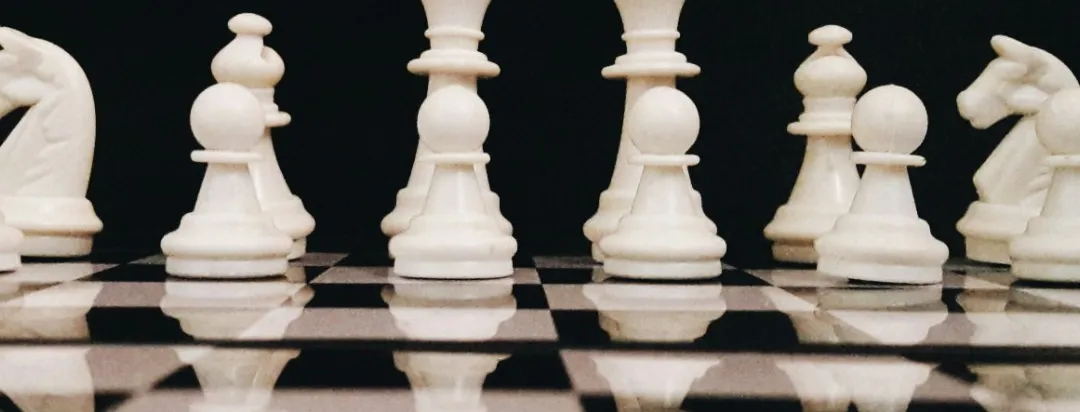
Few chess terms are as decisive as checkmate, yet stalemate often slips into games and surprises players who thought they were moments from victory.
Understanding how these two positions differ is essential for converting advantages into wins and for salvaging half-points from lost positions.
What Counts as Checkmate?
Checkmate occurs when a king is in check and there is no legal move to remove or block that threat. The attacking side wins immediately once the position is verified by both players or the arbiter.
Because the king cannot remain in check under the rules, the game ends the moment a checkmate position is reached, even if the mating side does not announce it.
What Counts as Stalemate?
Stalemate happens when the side to move has no legal moves but is not in check. The position is frozen, the player cannot move anywhere, and the game is declared an immediate draw.
While it can feel anticlimactic, stalemate is considered a vital defensive resource, giving the weaker side a final tool to avoid defeat.
Key Differences at a Glance
Both positions end the game, but the outcomes and underlying conditions are not the same.
- Checkmate: King in check with no escape, attacking side wins.
- Stalemate: No legal move and king not in check, game drawn.
- Practical effect: Checkmate awards a full point, stalemate splits the point evenly.
Strategic Impact of Stalemate
Strong players often exploit stalemate motifs when down material. Sacrificing the remaining pieces to strip the opponent of safe moves can convert a lost game into a draw.
Conversely, the winning side must stay alert. Driving the enemy king to the board’s edge without preserving at least one legal reply can squander a sure victory.
Tips to Avoid Unwanted Stalemates
When you are ahead, keep options open for your opponent’s king. Push pawns or reposition a rook to maintain at least one safe square before delivering the final check.
Calculate forcing lines carefully instead of relying on instinctual moves. A quick check can look decisive yet seal off every square and hand your rival a draw.
- Leave a flight square for the enemy king until the last move.
- Use incremental checks rather than a single sweeping move.
Famous Examples of Stalemate
The 1956 game between Bobby Fischer and Donald Byrne did not end in stalemate, but it illustrates how resourceful defense can prolong the battle. Other classics, like Reti versus Tartakower in 1910, show miraculous stalemate escapes.
Studying these historical cases trains your tactical vision and teaches the value of keeping stalemate tricks in mind during practical play.
Conclusion
Checkmate and stalemate share the drama of being game-ending moments, but they tell two very different stories on the scoresheet.
Mastering the distinction ensures you secure wins when ahead and fight for draws when behind, turning these final positions from surprises into strategic weapons.
Gametime Hero is the AI-powered operating system for active communities.
If you're organizing a community and tired of the chaos, start here


