
What Is a Scrum in Rugby? Full Overview
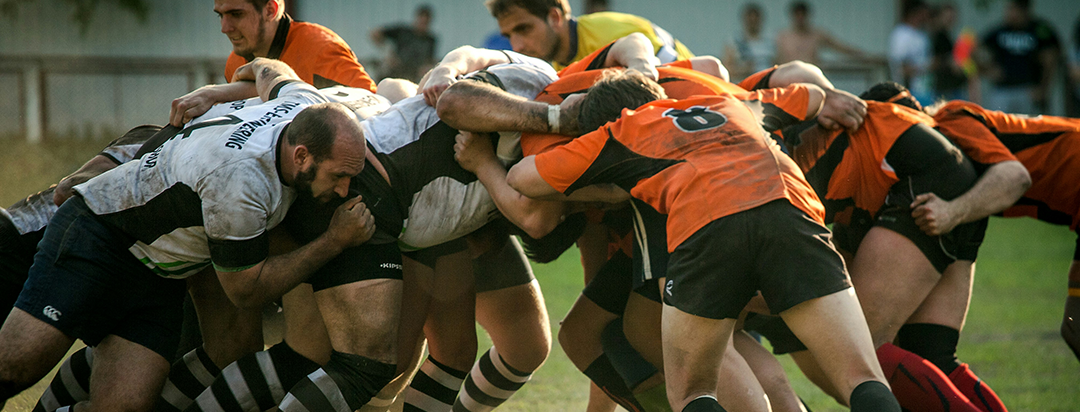
A scrum is a rugby formation used to restart play after stoppages such as a forward pass or knock on. In rugby union, eight forwards from each team bind together, the scrum half feeds the ball into the tunnel, and both packs try to hook it back.
A scrum is one of the most recognizable and structured elements in rugby. It brings players together in a tightly bound formation and serves as a method for restarting play after certain stoppages. While scrums are common across different rugby codes, their purpose and execution can vary depending on the version of the sport.
Understanding what a scrum is and how it works helps clarify many aspects of rugby strategy, positioning, and physical play.
The Basic Purpose of a Scrum
A scrum is used to restart play following specific infractions or stoppages, such as a forward pass or a knock on. It provides a fair and organized way to contest possession between the two teams.
Rather than restarting with open play, the scrum allows both sides to compete for the ball under controlled conditions. This structure emphasizes technique, timing, and teamwork.
Scrums are most closely associated with Rugby Union, where they play a significant role in match strategy.
How a Scrum Is Formed
In rugby union, a scrum consists of eight players from each team, known collectively as the forward pack. These players bind together in three rows and interlock with the opposing team’s forwards.
Once the two packs are stable and correctly bound, the scrum half feeds the ball into the tunnel between them. Both teams then attempt to hook the ball back toward their side using their feet.
The referee closely monitors the setup to ensure safety and fairness before allowing play to continue.
Player Positions Within the Scrum
Each forward in the scrum has a specific role. The front row includes two props and a hooker, who are responsible for stability and ball retrieval.
Behind them are the second row players, often called locks, who provide pushing power. The back row consists of flankers and the number eight, who help control the ball once it leaves the scrum.
Every position contributes to the effectiveness of the scrum, making coordination essential.
Why Scrums Matter Strategically
Scrums are more than just a restart mechanism. Teams often use them as a platform to gain territory, control tempo, or apply pressure to the opposition.
A strong scrum can force penalties, disrupt defensive structures, and create opportunities in open play. Conversely, a weak scrum can become a liability and lead to repeated infringements.
Because of this, teams invest significant time in scrum technique and coordination.
Scrums in Rugby League
Scrums also exist in Rugby League, but their role is different. Rugby league scrums involve fewer players and are generally not contested in the same way.
Rather than serving as a true contest for possession, rugby league scrums function mainly as a method to restart play quickly. The ball is almost always retained by the team awarded the scrum.
As a result, scrums play a much smaller strategic role in rugby league compared to rugby union.
Safety and Refereeing in Scrums
Because scrums involve significant physical force, safety is a major focus. Referees carefully manage engagement sequences and body positioning to reduce the risk of injury.
Players must bind correctly and maintain stable positions throughout the scrum. Infractions such as early pushing or collapsing the scrum can result in penalties.
These regulations help ensure that scrums remain a controlled and safe part of the game.
Common Reasons for a Scrum Award
Scrums are typically awarded for technical errors rather than deliberate fouls. Common reasons include forward passes, knock ons, and accidental offsides.
By restarting play with a scrum, the game maintains flow while still penalizing mistakes appropriately.
This balance between structure and continuity is a defining feature of rugby.
How Scrums Influence Match Flow
Scrums can slow or accelerate the pace of a match depending on how they are executed. Quick, stable scrums allow play to resume efficiently, while repeated resets can interrupt momentum.
Teams that dominate scrums often gain psychological as well as tactical advantages. Consistent success at the scrum can shape how the rest of the match unfolds.
As a result, scrums are closely watched by players, coaches, and officials alike.
Final Thoughts on Scrums in Rugby
A scrum is a fundamental element of rugby that combines physical strength, technical skill, and teamwork. While it serves as a method to restart play, it also carries significant strategic importance, particularly in rugby union.
Understanding how scrums work and why they matter provides deeper insight into the structure and complexity of rugby as a sport.
Gametime Hero is the AI-powered operating system for active communities.
If you're organizing a community and tired of the chaos, start here


