
Padel vs Pickleball: Biggest Similarities and Differences
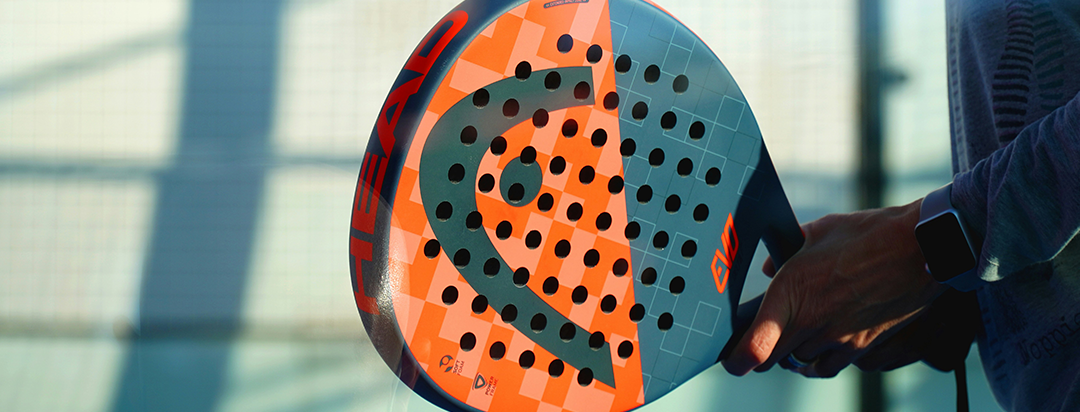
Padel is played on an enclosed court with glass and mesh walls using a stringless solid racket, while pickleball is played on an open court with a flat paddle and perforated plastic ball. Padel serves are underhand after a bounce, and pickleball serves are hit out of the air.
Padel and pickleball are often compared because both are racket sports that emphasize control, positioning, and accessible play. While they can look similar at a glance, the way each game is played, scored, and structured differs in meaningful ways. Understanding those differences helps clarify why players may gravitate toward one sport over the other depending on environment, preferences, and style of play.
Basic Court and Playing Environment
One of the most noticeable differences is the court. Padel is played on an enclosed court with glass and mesh walls that are actively used during play. The walls allow the ball to rebound and remain in play, which changes how points develop.
Pickleball is played on an open court without walls. Once the ball passes the boundary lines, the point ends. This creates a more linear style of play focused on net positioning and shot placement rather than wall angles.
Equipment Differences
Padel uses a solid racket with holes and no strings. The racket is designed to limit power and encourage controlled swings. The ball is similar to a tennis ball but slightly less pressurized.
Pickleball paddles are also solid but flatter and typically made from composite materials. The ball is a perforated plastic ball that travels differently through the air and bounces lower than a tennis or padel ball.
- Padel uses solid rackets and low compression balls
- Pickleball uses paddles and a perforated plastic ball
Serving Rules and Point Starts
Serving rules shape how each game begins. In padel, serves are underhand and must be hit after the ball bounces, below waist height. The serve is designed to start the rally rather than end it quickly.
Pickleball also uses an underhand serve, but it is hit out of the air without a bounce. The serve must clear the non volley zone and land in the opposite service court. While both sports reduce the advantage of power serving, the mechanics differ.
Rally Structure and Shot Selection
Padel rallies often involve letting the ball rebound off the walls before returning it. This creates longer points and rewards patience, angle control, and defensive awareness. Shots that appear difficult in open court sports may be playable after a wall rebound.
Pickleball rallies are built around soft shots, dinks, and controlled drives, especially near the non volley zone. Without walls, players rely more on anticipation and precise placement to extend points.
Team Play and Format
Padel is almost exclusively played as doubles. Team coordination, spacing, and communication are central to effective play. Singles padel exists but is far less common.
Pickleball is played in both singles and doubles formats. Doubles is more popular at recreational levels, but singles play is well established and emphasizes speed and coverage.
Scoring Systems
Padel uses a tennis style scoring system with games, sets, and advantage scoring in most formats. Matches are typically best of three sets.
Pickleball uses a point system where only the serving team can score, and games are usually played to eleven points, win by two. This difference affects pacing and momentum within matches.
Movement and Physical Demands
Padel movement involves shorter steps, quick reactions, and frequent use of lateral positioning. Because the court is enclosed, players spend less time sprinting and more time adjusting angles and spacing.
Pickleball involves quick starts and stops, especially near the net. While the court is smaller than a tennis court, repeated changes of direction and low stance play place specific demands on balance and footwork.
Accessibility and Learning Curve
Both sports are considered accessible to new players. Padel allows beginners to rally quickly because the walls keep the ball in play. Pickleball’s slower ball speed and smaller court also make early rallies achievable.
The learning curve differs after the basics. Padel requires understanding wall behavior and positioning, while pickleball requires mastering the non volley zone and soft game strategy.
Social and Competitive Settings
Padel is often played in dedicated facilities with enclosed courts, which can shape how and where the sport is played. Pickleball is more easily adapted to existing courts and is commonly played in community settings.
Both sports support recreational play as well as structured competition, but their environments and match flow feel distinct.
Overall Comparison Perspective
Padel and pickleball share a focus on control, placement, and accessible entry for new players. Their biggest differences come from court design, use of walls, equipment, and scoring structure.
Choosing between them often depends on available facilities, preferred pace, and whether a player enjoys extended rallies shaped by wall interaction or open court exchanges built around net play.
Gametime Hero is the AI-powered operating system for active communities.
If you're organizing a community and tired of the chaos, start here


