Lorem ipsum dolor sit amet, consectetur adipiscing elit ut liqua purus sit amet luctus venenatis, lectus magna.


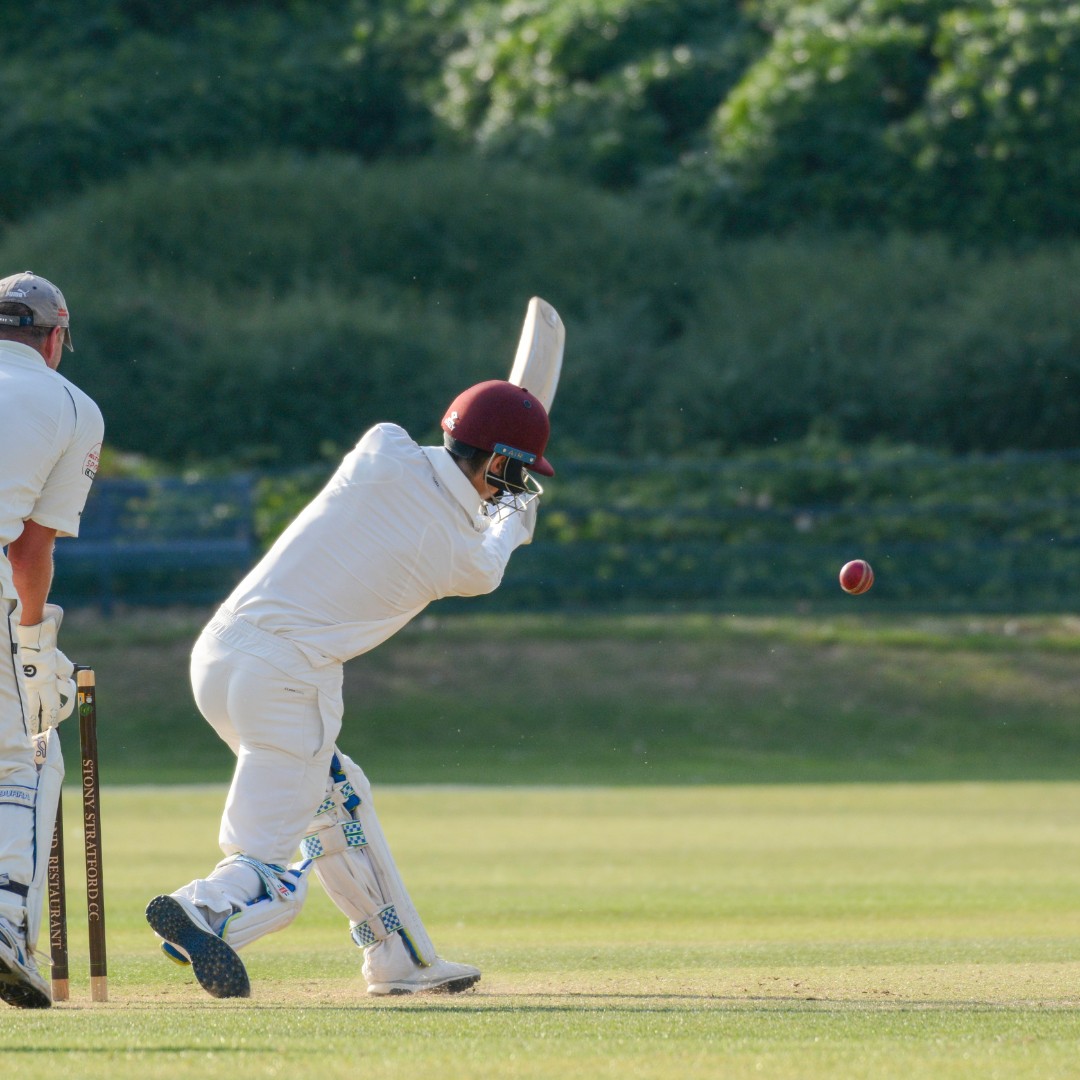
Cricket comes in three main formats, each designed for a different pace and audience. From the methodical rhythm of a Test to the rapid-fire excitement of a T20, match length is a key part of the sport’s appeal.
If you are mapping out a day at the ground or deciding how much screen time to block off, it helps to know what to expect. Below is a practical look at how long each format usually lasts and why the clock sometimes keeps ticking past the scheduled finish.
The duration of a game affects everything from player workload to broadcast rights. Long matches test endurance and strategy, while shorter ones favor quick decision-making and explosive skills.
For spectators, match length influences ticket choices, travel plans, and even snack budgets. Understanding the clock allows fans to pick the format that best fits their schedule.
A full Test match is scheduled for up to five days, with six hours of play each day. That means a maximum total of 30 hours on the field if all days are needed.
Play is divided into three sessions separated by lunch and tea breaks. While every over is bowled at the same measured pace, a match can finish early when one side forces a result before the final day.
An ODI allots 50 overs per side, producing about 7 to 8 hours of cricket, including a 30- to 45-minute innings break. Matches typically start in late morning and wrap up under floodlights by early evening.
Strict over-rate penalties encourage bowlers to complete their quota promptly, but delays such as reviews, injuries, or short rain interruptions can push the finish time back.
Twenty20 cricket is built for speed: 20 overs each, one innings break, and a target runtime of about 3 hours door to door. Many domestic leagues even advertise it as a short evening out.
While the format is quick, slow over rates or dramatic final overs can extend the match slightly, yet most games fit comfortably into a prime-time TV slot.
Even with a set schedule, several factors influence actual runtime. Weather tops the list, with rain leading to covers, inspection delays, or reduced overs. Light can also halt play in Tests if floodlights are absent or ineffective.
Technology reviews, injuries, crowd disruptions, and slow over rates add their own minutes. Conversely, aggressive batting or collapses can end innings early, trimming hours off a scheduled finish.
If you want a whole-day social event with shifting tactics, a Test or ODI delivers. Families or newcomers often favor T20s for their concise runtime and entertainment-heavy presentation.
Domestic schedules now mix formats, so fans can choose between weekday evenings for T20s, weekend ODIs, or committing to one glorious session of a Test during a holiday.
Cricket’s unique charm lies partly in its flexible running time, ranging from an evening sprint to a multi-day chess match on grass.
Knowing the typical length of each format helps set expectations, whether you are buying tickets, planning a watch party, or simply fitting the game around daily life.
Gametime Hero is the AI-powered operating system for active communities.
If you're organizing a community and tired of the chaos, start here
You know your community best — we know how to help it thrive.
You're already doing the hard part: building a community people care about. Gametime Hero gives you events, registration forms, a custom website, payments, scheduling, and communications — so you can stop juggling tools and start scaling.
Whether you run a weekly pickup group or a multi-season league, we'll walk you through exactly how it works for your setup.


Explore our collection of 200+ Premium Webflow Templates