Lorem ipsum dolor sit amet, consectetur adipiscing elit ut liqua purus sit amet luctus venenatis, lectus magna.

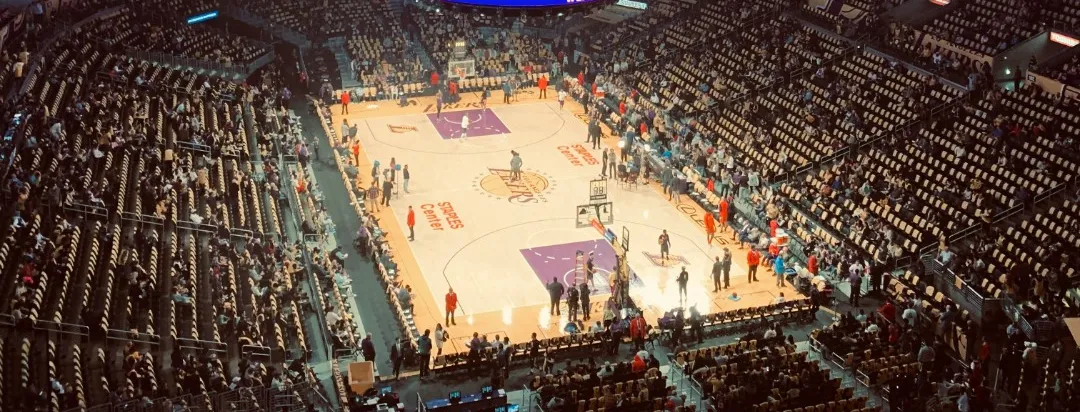
Every spring, the WNBA Draft turns college standouts and international prospects into professional athletes in a matter of hours. Although the broadcast feels straightforward, the mechanics behind each selection involve months of preparation and several layers of rules.
Whether you follow a specific team or simply enjoy the league as a whole, understanding how the WNBA Draft works adds context to every pick. This overview breaks down eligibility requirements, the lottery system, draft-night format, rookie contracts, and the way trades shape the final board.
The first step toward hearing your name called is meeting the league’s eligibility standards. Unlike the NBA, where players can declare after one year of college, the WNBA requires a more advanced timeline. In most cases, prospects come from four-year college programs, but international players have their own pathway.
Age, education, and professional history all factor into whether a player can enter a given draft class.
The WNBA uses a weighted lottery to establish the first four selections. Only the teams that missed the previous season’s playoffs participate, and their odds are tied to combined records from the two prior years to discourage single-season tanking.
Ping-pong balls are drawn early in the offseason, usually in November or December. Once the top four positions are set, the remaining non-playoff clubs slot in by reverse order of their regular-season records. Playoff teams follow in the same worst-to-best sequence.
Shortly after the NCAA Women’s Final Four, invited prospects head to a one-day combine in the host city of the draft. There they undergo measurements, agility drills, medical evaluations, and team interviews.
Franchises can also schedule individual workouts at their own facilities, giving coaches a final look at a player’s skill set or personality fit. Not every draft-eligible athlete receives a green room invitation, but those projected in the first round typically attend the televised event in person.
The WNBA Draft currently features three rounds with 12 picks each, totaling 36 selections. Round one moves quickly, with teams allotted just two minutes per pick. The clock extends to three minutes in rounds two and three.
Picks are announced live on national television, and the league office finalizes each selection only after confirming trades, salary-cap compliance, and eligibility. Once a player’s name is read, she heads to the stage for the traditional handshake, hat, and photo opportunity.
Unlike the NBA’s larger rookie deals, WNBA salaries are governed by a more modest but still structured pay scale negotiated in the collective bargaining agreement. First-round contracts span three years with a team option for a fourth season, while second- and third-rounders receive two-year, non-guaranteed deals.
Because roster spots are limited to 12 per team and salary-cap space is tight, even second-round picks must compete for jobs in training camp. Still, the scale assures that top selections earn more than veterans on minimum contracts, incentivizing teams to invest in their development.
Draft-day trades often shake up the order moments before a pick is announced. Teams can swap current selections, future picks, or veteran players to move up or down the board. All deals must be approved by the league office before going public, which explains the occasional on-air delay.
Front offices weigh present needs against cap flexibility and long-term potential. A rebuilding club may stockpile extra first-rounders, while a contender could flip its pick for a proven scorer ready to contribute immediately.
From eligibility paperwork to the final handshake on stage, the WNBA Draft compresses years of effort into one memorable evening. Understanding its rules clarifies why some picks feel inevitable while others catch even seasoned fans off guard.
As the league continues to grow, expect tweaks to the lottery odds, salary scale, and media presentation. What will not change is the draft’s role as the primary gateway for new talent and the annual reminder that the next generation of stars is always on deck.
Gametime Hero is the AI-powered operating system for active communities.
If you're organizing a community and tired of the chaos, start here
You know your community best — we know how to help it thrive.
You're already doing the hard part: building a community people care about. Gametime Hero gives you events, registration forms, a custom website, payments, scheduling, and communications — so you can stop juggling tools and start scaling.
Whether you run a weekly pickup group or a multi-season league, we'll walk you through exactly how it works for your setup.


Explore our collection of 200+ Premium Webflow Templates