Lorem ipsum dolor sit amet, consectetur adipiscing elit ut liqua purus sit amet luctus venenatis, lectus magna.

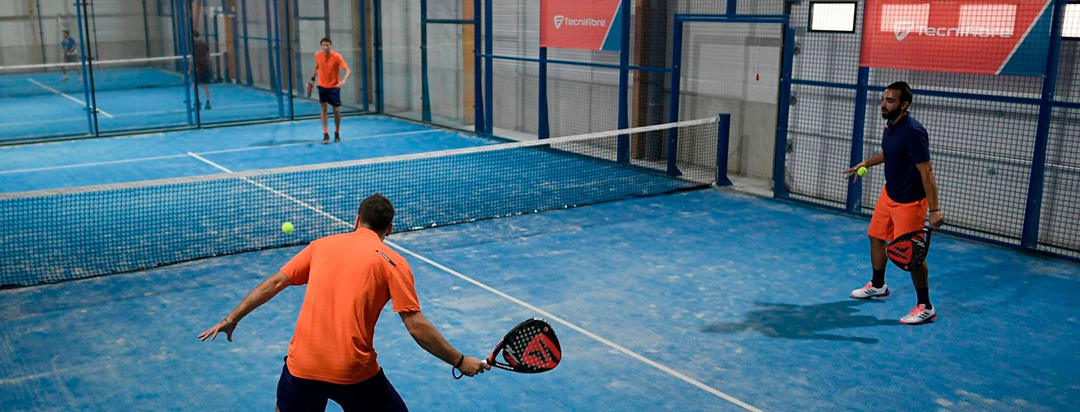
The serve in padel plays a more controlled role than in many other racket sports. While it still starts each point, the rules are designed to reduce dominance and encourage longer rallies.
Understanding how serves work in padel is essential for both new players and those transitioning from tennis or other racket sports.
In padel, the serve is meant to initiate play rather than overwhelm the opponent. Unlike sports where the serve can decide points outright, padel emphasizes placement, consistency, and setup.
This approach supports the sport’s focus on rallies, positioning, and teamwork.
All padel serves must be hit underhand.
The ball must be struck after it bounces and before it reaches waist height. Contact must be made below the server’s navel, and at least one foot must remain behind the service line at the moment of contact.
These rules limit power and help keep serves returnable.
The serve must be hit diagonally into the opponent’s service box, similar to tennis.
After bouncing in the service box, the ball may hit the glass wall but must not hit the metal fence before being returned. If the ball strikes the fence first after the bounce, the serve is considered a fault.
This wall interaction is a unique aspect of padel serving.
Padel allows two serve attempts.
If the first serve is a fault, the server may attempt a second serve. If both serves are faults, the point is awarded to the receiving team.
Unlike tennis, padel does not allow service lets to be replayed. If the ball clips the net and lands correctly, play continues.
In doubles padel, serving alternates between teams, not between individual players within the same game.
One player on the serving team serves the entire game. In the next service game, the serve passes to the opposing team, and one of their players serves.
Partners typically alternate serving games throughout the set.
The server must stand behind the service line and between the center line and sideline.
The receiving player must allow the ball to bounce before returning the serve. Unlike tennis, the returner cannot volley the serve.
After the return, players may move freely and use the walls as part of play.
Common serve faults include striking the ball above waist height, stepping on or over the service line, or missing the correct service box.
Hitting the fence before the bounce on the serve also results in a fault. Understanding these details helps avoid unnecessary lost points.
Because serves are controlled, strategy in padel revolves around placement rather than speed.
Effective serves aim to limit the returner’s options and allow the serving team to move into strong net positions. Consistency and depth often matter more than power.
Players coming from tennis often need to adjust their serving approach.
The underhand motion, mandatory bounce, and wall interactions change how serves are used tactically. Once adjusted, many players find padel serves more forgiving and easier to manage.
While serving offers some advantage, it is not overwhelming.
Matches are often decided by rally play, positioning, and teamwork rather than by serve dominance. This balance is a defining feature of padel.
Padel serves are underhand, must be hit below waist height, and are played diagonally after a bounce. Players receive two serve attempts, and lets are not replayed.
Understanding these rules helps players serve legally, return confidently, and enjoy the rhythm of the game.
Gametime Hero is the AI-powered operating system for active communities.
If you're organizing a community and tired of the chaos, start here
You know your community best — we know how to help it thrive.
You're already doing the hard part: building a community people care about. Gametime Hero gives you events, registration forms, a custom website, payments, scheduling, and communications — so you can stop juggling tools and start scaling.
Whether you run a weekly pickup group or a multi-season league, we'll walk you through exactly how it works for your setup.


Explore our collection of 200+ Premium Webflow Templates